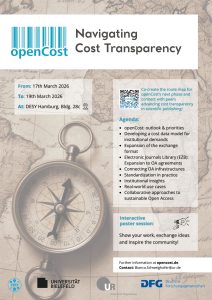
openCost Conference 2026: Navigating Cost Transparency
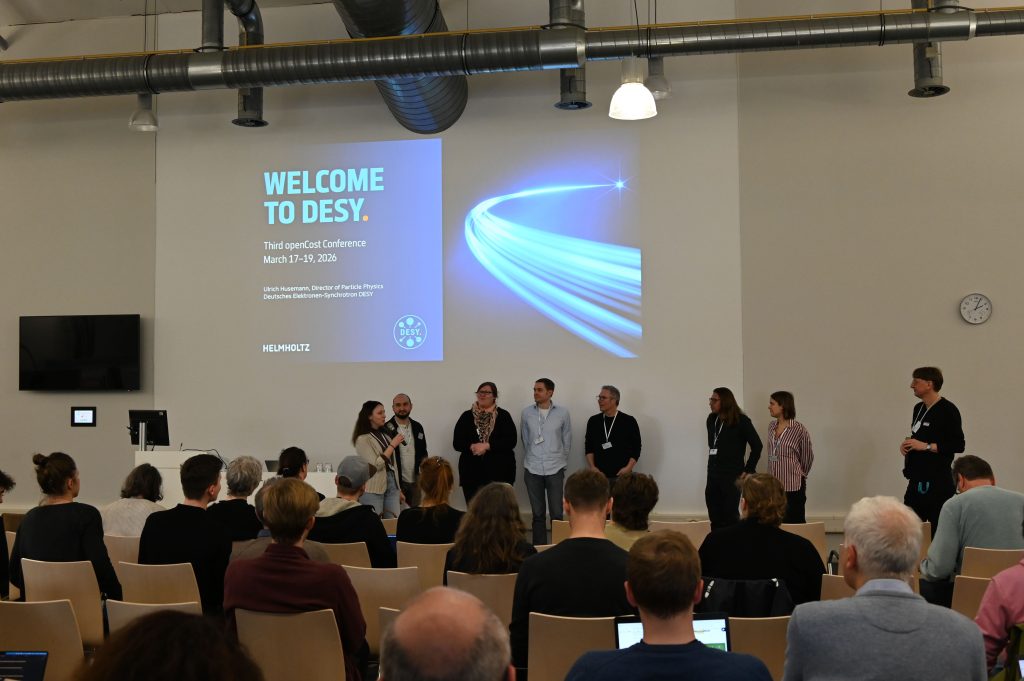
From March 17 to 19, 2026, the international conference “openCost: Navigating Cost Transparency,” organized by the openCost team, took place at the German Electron Synchrotron (DESY) in Hamburg. The conference brought together around 70 experts in the field of publication costs and cost tracking from ten countries. The aim of the conference was to jointly generate ideas for the second project phase, consolidate practical perspectives from the community, and create opportunities for networking and exchange.
In addition to an initial introduction to the plans for the second project phase, presented by Gernot Deinzer (Regensburg University Library), Dirk Pieper (Bielefeld University Library), and Alexander Wagner (DESY), the conference kicked off with a keynote address by Dr. Angela Holzer (German Research Foundation – DFG) titled “Why does the DFG support the development of information budgets and standardized cost data?” In her presentation, Dr. Holzer outlined the various ways in which the DFG is working toward the standardization of cost and other publication metadata in the scientific publishing sector.
openCost: Insights into the Second Project Phase
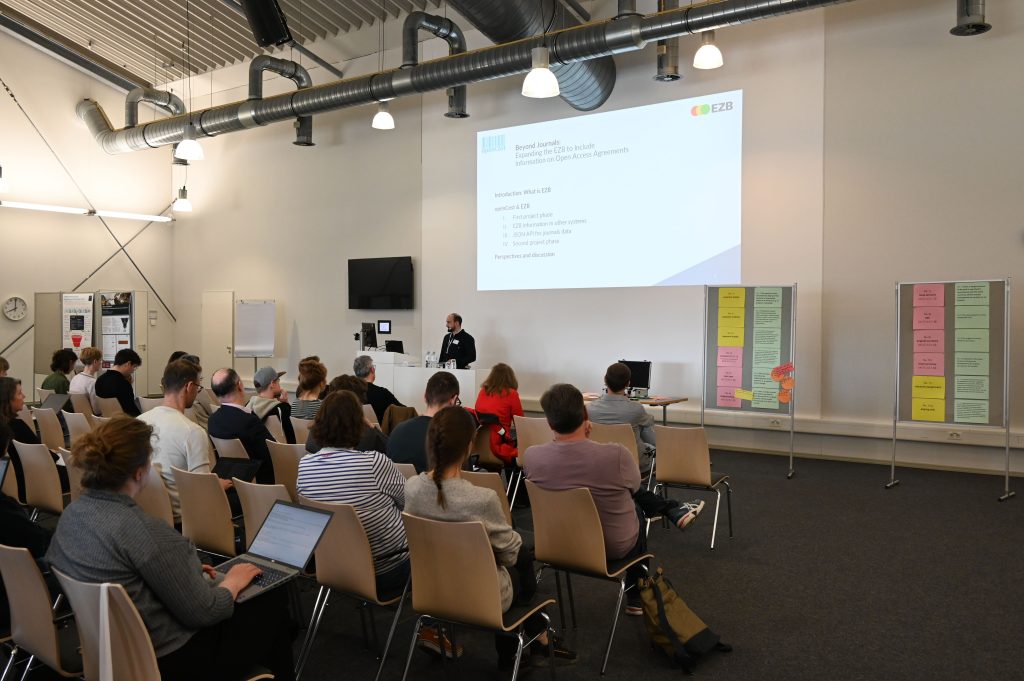
A significant portion of the three-day program was devoted to providing initial insights into the second phase of the openCost project. Robert Bosek (Regensburg University Library) presented the current state of development regarding the EZB expansion to include information on open access agreements, which is a central focus of the second project phase. The OpenAPC infrastructure was also expanded within the framework of openCost to include a separate dataset for contracts, as demonstrated by Christoph Broschinski (Bielefeld University Library) in his presentation „OpenAPC expanded: Contracts in Focus“.
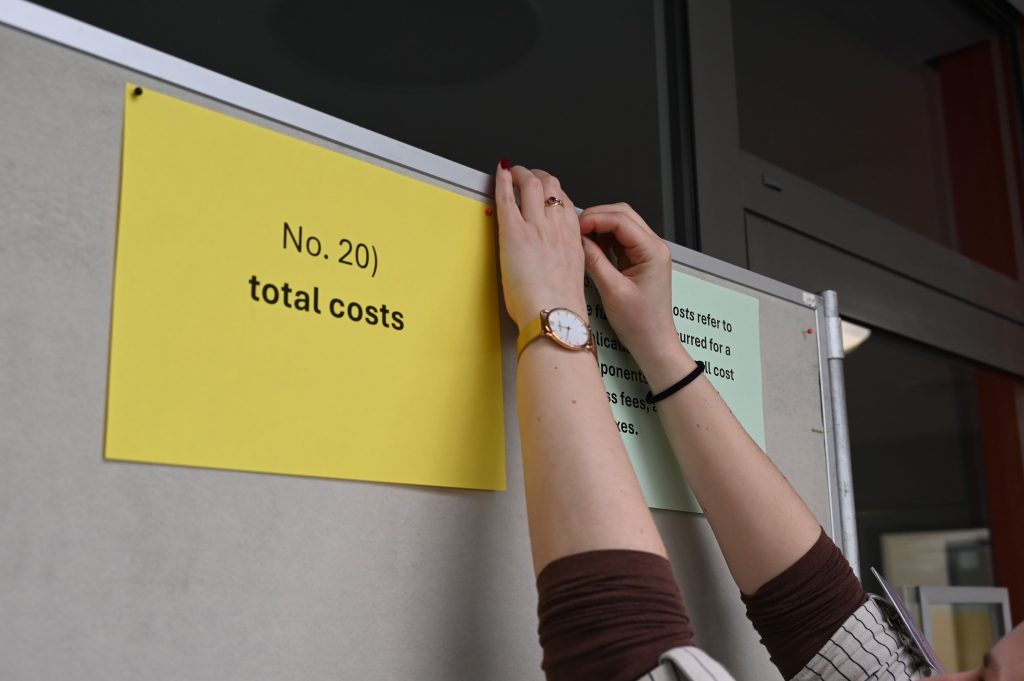
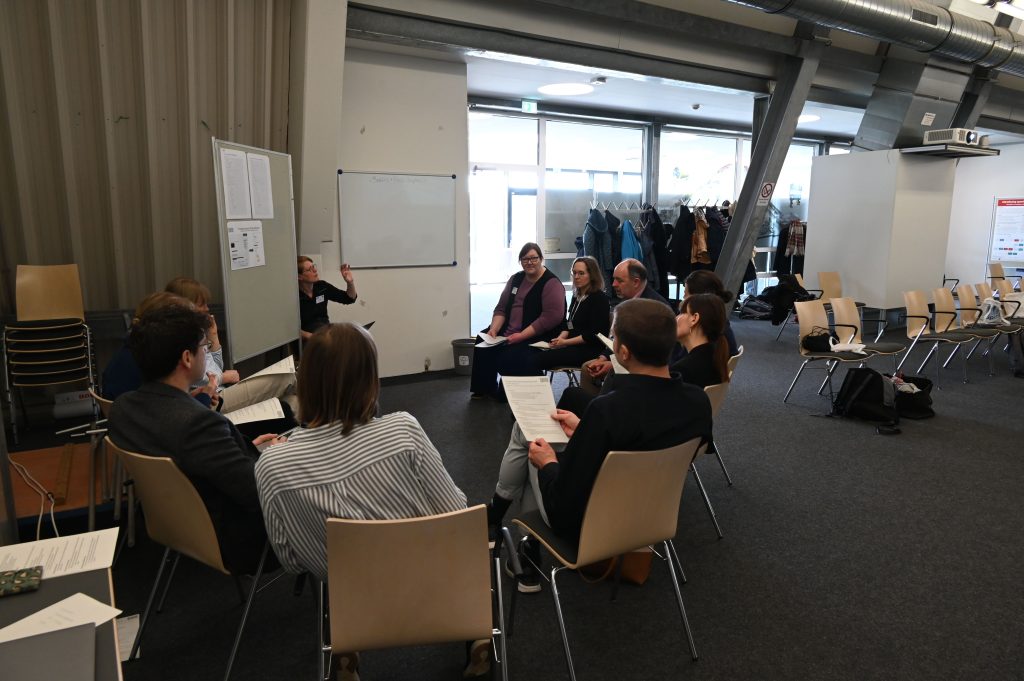
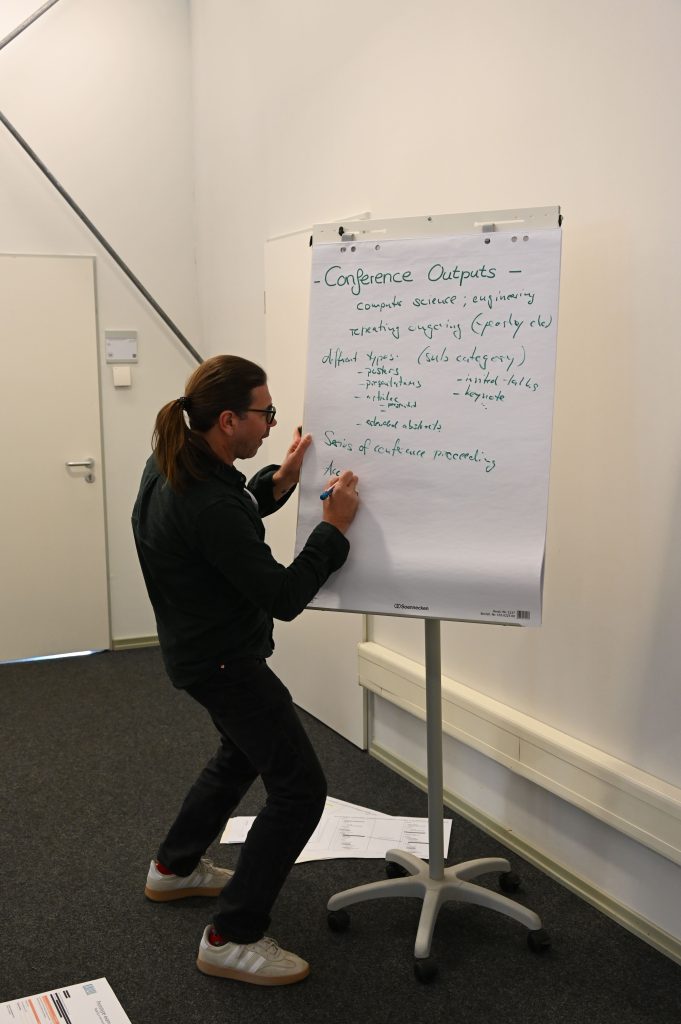
In addition to the presentations, two practice-oriented hands-on labs offered the opportunity to further develop specific aspects of the openCost standard together with the participants. The first hands-on lab, led by Julia Bartlewski (UB Bielefeld), focused on expanding the openCost exchange format to include additional text-based publication types such as books or conference proceedings, as well as infrastructures, and the resulting additional cost types. The second hands-on lab focused on the institution-internal metadata schema for cost recording and its technical implementation. Kathleen Neumann (GBV) and Lisa-Marie Stein (DESY) presented the status of the implementation of an openCost module in MyCoRe and discussed the design of the metadata fields for such a storage format with the participants.
Presentations by (inter)national guests
The conference program combined contributions from the openCost project team with presentations by international and national experts. A central focus was the current topic of Diamond Open Access. Paula Clemente Vega (Open Library of Humanities) provided insights into the latest OLH annual report, broke down the costs within OLH’s Diamond Open Access model, and presented in detail how much the participating universities contribute, how these funds are allocated to publishing activities, and how financial sustainability is achieved. Sergio Tapias (SciPost) presented SciPost’s financial reporting model, which can be adopted as a framework by interested Diamond Open Access initiatives, while Helene Strauß (SeDOA) examined the topic of costs in Diamond Open Access from the perspective of the DFG-funded project Servicestelle Diamond Open Access (SeDOA), the German Diamond Capacity Centre. In addition, Aldo Rampioni (SISSA Medialab) discussed the Diamond Open Access journal JQuant, currently under development, as a case study for examining ex-ante approaches to cost estimation and modeling in non-APC-based scholarly publishing.
A second session focused on open science infrastructures. Anne Gentil-Beccot (CERN) presented SCOAP³’s new innovative evaluation mechanism and also demonstrated how SCOAP³ promotes a more transparent and sustainable open access publishing ecosystem in which costs are more closely linked to publisher services. Cameron Neylon addressed the question of how the costs of the scientific publishing system can be analyzed on a large scale using open research data and presented the analysis results of the NSF project. Maxence Larrieu (Université Grenoble Alpes) presented the TSOSI project—Transparency to Sustain Open Access Infrastructures—a new web platform aimed at expanding financial support for open science infrastructures. Dr. Anja Himpsl-Zeltner (Potsdam University of Applied Sciences) presented an analysis of the cost breakdown of publishers in the Brandenburg Open Access Monograph Fund and reflected on the practical challenges of working with this data.
Platform for Networking and Exchange
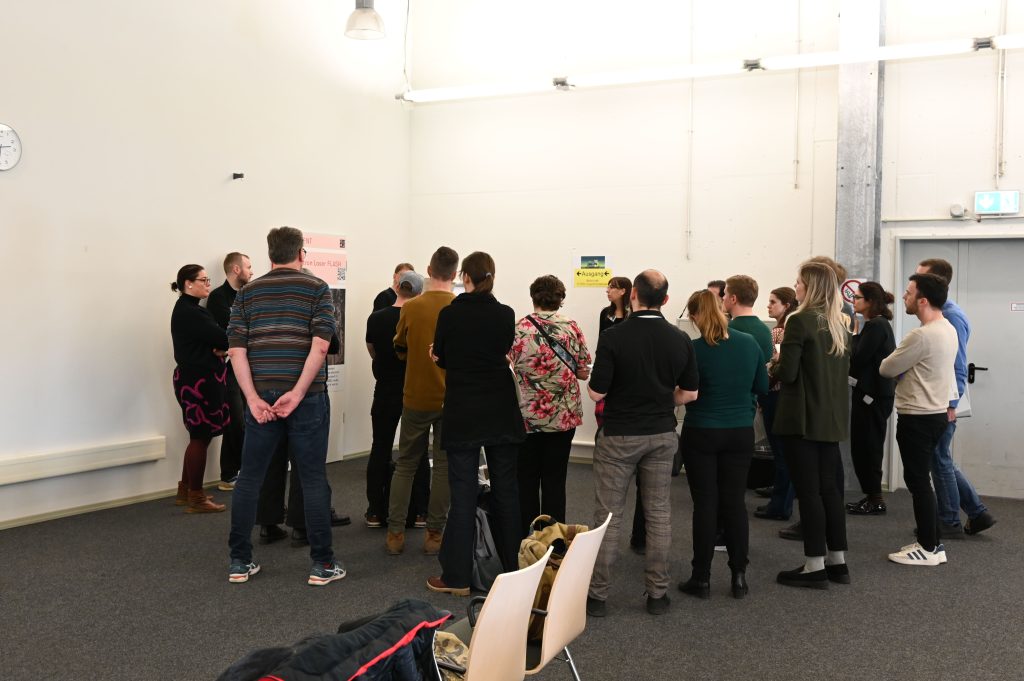
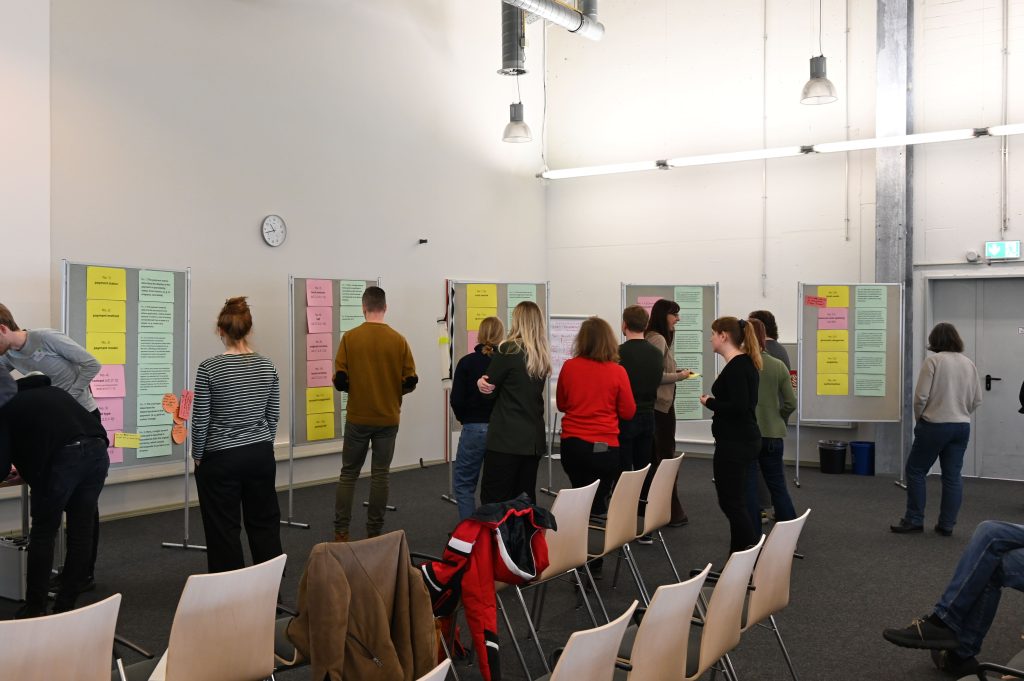
Another key element of the conference was the interactive poster session, during which numerous projects, initiatives, and institutional use cases were presented. It began with a “3-Minute Madness” session in the plenary, where all poster authors had the opportunity to present their work to the plenary for three minutes each. Following this, the poster session during the lunch break provided an opportunity for in-depth conversations and discussions.
The technical program was complemented by opportunities for informal exchange, a conference dinner, and a guided tour of the DESY campus. Overall, the conference thus served as an important platform for international networking and for the joint development of approaches to the transparent tracking and analysis of publication costs in the context of Open Science. The opportunity to present the project’s initiatives in this setting and receive valuable feedback from the community was invaluable.
The project team would like to extend its sincere thanks to all conference participants and speakers for the interesting presentations, engaging discussions, and lively exchange of ideas.
The presentations are available to all interested parties on the event page under “materials” for the respective contribution.